How I Drove $400K in Sales ($160K in commissions) for a SaaS Company Using SEO Alone
Back when I was just trying to survive… years ago.
I wasn’t some SEO expert. Never wanted to become one.
I didn’t even fully understand what search engine marketing was all about.
I was just a guy trying to figure out how to make a dollar online.
And at the time, ClickFunnels was everywhere.
People in various Facebook group were showing insane screenshots. Million dollar funnels. Dream Car winners. Leaderboard warriors. Affiliate beasts pulling $20K+ per month.
I lurked. I observed. I watched from the shadows.
I didn’t know much.
But I had two things:
- A blog I barely knew how to grow
- A burning desire to make something work. Anything
So I did what made sense:
I started writing about ClickFunnels.
Fast forward a few years…
- I’ve referred $400K+ in sales
- Earned $160K+ in commissions
- And built a repeatable system I now use to grow attract free SEO traffic for SaaS brands with targeted content.


I won a couple of contest along the way, with the latest one being the last FHL event that took place in Las Vegas:

In this case study, I’ll break down:
- What I did (step-by-step)
- What actually worked (even if it’s not what you’d expect)
- What I’d do differently today (especially in a post-AI content world)
- And how this success now informs the SEO services I deliver to SaaS, startup, and affiliate-driven brands
Let’s dive in.
The Strategy That Made Me a Top 1% ClickFunnels Affiliate (Without Doing What Everyone Else Was Doing)
I didn’t build funnels.
I didn’t record YouTube videos.
I didn’t run Facebook Ads.
I didn’t even offer elaborate bonuses like the big-name affiliates were doing.
I just published content – and optimized the hell out of it.
While most people were trying to out-bonus each other or fight for attention on webinars, I focused on what I knew would compound over time:
SEO.
And that’s what made all the difference. Here’s how:
Step 1: I Started With the Obvious Keywords – Then Pivoted
In the beginning, I chased the usual suspects:
“ClickFunnels review,” “ClickFunnels pricing,” and so on.
But those pages didn’t rank.
The competition was too high. The sites were too strong. I was getting buried.
So I pivoted.
Instead of trying to win the front door, I started going through the side windows.
I began targeting comparison and alternative keywords — long-tail terms that still had intent, but far less competition.
And that’s where everything changed.
Step 2: I Wrote Dozens of Versus-Style Pages
I created head-to-head comparisons:
- ClickFunnels vs Kajabi
- ClickFunnels vs Kartra
- ClickFunnels vs Leadpages
- ClickFunnels vs ConvertKit
- …and over a dozen more.

These posts ranked fast and converted like crazy – because people searching those terms were already in buying mode, just trying to decide between tools.
Step 3: I Covered Every Product & Offer in the Ecosystem
ClickFunnels didn’t just have the main tool.
They had books, challenges, upgrades, events, bundles…
So I wrote about:
- Funnel Hacks
- Funnel Builder Secrets
- OFA Challenge
- Dotcom Secrets
- Expert Secrets
- Funnel Scripts
- Actionetics, Backpacks, Membership Sites, etc.
Each page added new entry points for traffic, and some of them converted better than the tool itself.
Step 4: I Niche-Targeted with “ClickFunnels for X” Content
One of my biggest wins came from niche-targeted SEO pages.
I wrote content like:
- ClickFunnels for Real Estate
- ClickFunnels for Insurance Agents
- ClickFunnels for Chiropractors
- ClickFunnels for Coaches
- ClickFunnels for Network Marketers
- …and so on
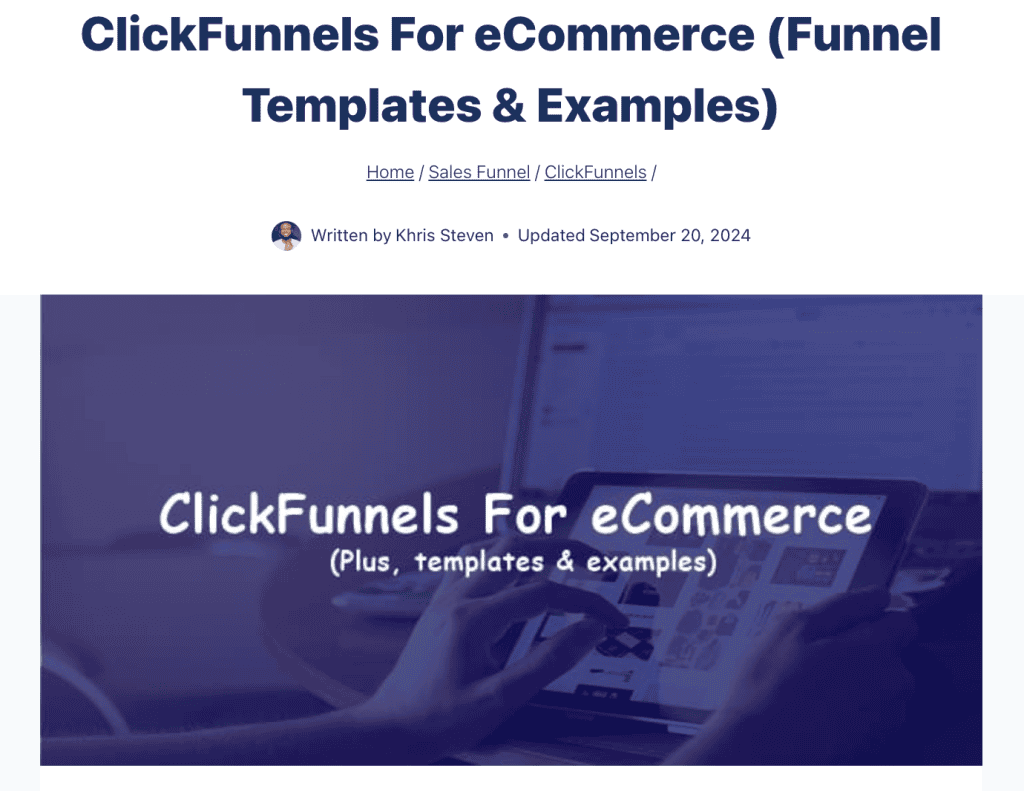
These pages ranked easily and consistently brought in traffic from people looking for funnels specific to their industry.
This one angle alone brought in thousands in commissions.
Step 5: I Built Internal Linking Like a Spider Web
Every time I mentioned a ClickFunnels product or feature, I linked back to the core review page.
And I interlinked related posts, so someone reading “ClickFunnels for Coaches” would also land on “ClickFunnels Pricing” or “Best Sales Funnel Builders.”
That internal linking structure kept people moving, clicking, and converting.
No crazy backlinking. No outreach.
Just smart internal SEO and helpful content that answered real questions.
Step 6: I Expanded to “Best of” and “Alternatives” Posts
Eventually, I started covering broader content like:
- Best Sales Funnel Builders
- Best Kartra Alternatives
- Best Builderall Alternatives
- Best SamCart Alternatives
These posts helped me:
- Attract people looking for other tools
- Introduce ClickFunnels as a better option
- Rank and Bank for software keywords I didn’t even write reviews for
They worked extremely well – especially for converting “affiliate curious” traffic.
How Long Did It Take to Work?
- My first ClickFunnels affiliate sale? $1 in 2018
- First 4-figure month? 2019
- Peak months? Over $6,000/month
On average, my new content took 2–3 months to rank and start converting.
And this was all before the AI content wave. Every post took me hours or days to write.
I ended up publishing 30–50 pieces of ClickFunnels-focused content, most of which ranked, stuck, and kept earning on autopilot for years.
The Tactics That Moved the Needle
Getting traffic was one thing.
But getting people to click my affiliate links — and actually convert?
That took a bit more strategy.
While I wasn’t running paid ads or doing crazy CRO experiments, I did start implementing small, strategic tweaks that significantly boosted my conversions over time.
These are the key levers that made my content make money — and still inform how I advise SaaS and affiliate-driven brands today.
I Started Adding Summary Blocks After Every Intro
For a long time, my posts jumped straight into the content.
No CTA. No summary. Just walls of text.
Eventually, I started adding a key summary box or block right after the introduction — and that one change made a massive difference.
In that block, I would:
- Call out the main takeaway or recommendation
- Mention the current ClickFunnels offer or free trial
- Drop my affiliate link (naturally)
It gave readers what they wanted fast.
And it gave me a chance to capture impulse clicks, without being pushy.
I Used Exit-Intent Popups to Trigger Timely Offers
This was probably my most underrated weapon.
I used exit-intent popups tailored to specific articles, especially during ClickFunnels promo periods, launches, or bonus contests.
For example:
- On a “ClickFunnels for Realtors” post, I’d trigger a popup offering a free funnel template for realtors (as a lead magnet or bonus)
- During seasonal promos, I’d switch it to highlight a limited-time discount or bonus from ClickFunnels
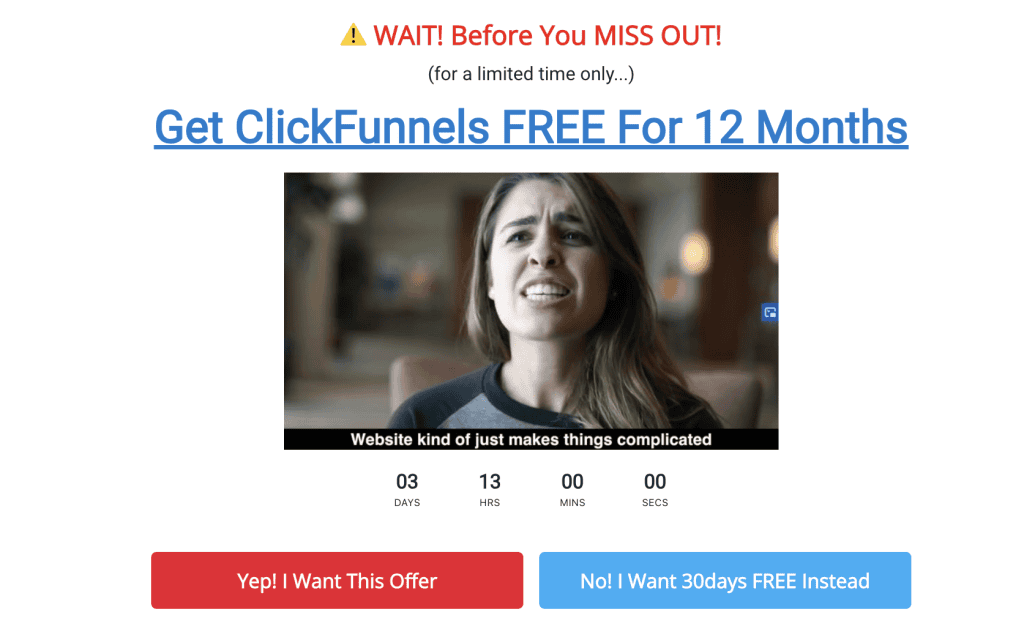
I once won a ClickFunnels affiliate contest just from embedding a timely popup on a few high-traffic posts.
This tactic alone brought in hundreds of opt-ins and dozens of sales — without touching the main article for years. I gave one of those case studies as a lead magnet 4 years ago. Download the PDF report here.
I Used Tables on All Comparison Posts
I didn’t go crazy with design.
But every “vs” and “alternatives” post had clean comparison tables showing how ClickFunnels stacked up against other tools.
This made the post:
- Easier to scan
- More helpful
- More credible
- And gave me another excuse to add a CTA button under the ClickFunnels column
It wasn’t fancy — but it worked.
I Offered Simple, White-Labeled Bonuses
I wasn’t one of those affiliates giving away 10-course mega bundles.
But I did buy the rights to a few quality digital products and offered them as bonuses for signing up through my link.
At one point, I even ranked for “Best ClickFunnels Bonuses”, because the bonus keyword space was heating up.
Funny enough, most of my sales didn’t come from bonus chasers.
They came from people who read the content, trusted it, and converted.
But the bonus offer helped tip the fence-sitters, especially during launches.
I Recycled, Interlinked, and Republished Strategically
One underrated tactic:
I didn’t just publish and forget.
Whenever I created a new piece of content, say, “ClickFunnels for Insurance Agents”, I’d go back and link to it from any older, relevant post.
- Info content linked to review content
- Feature content linked to alternatives content
- Comparison pages linked to bonus pages
That internal web helped me rank faster — and pass link equity around smartly.
I used tools like Link Whisper to visualize internal linking paths, but most of the interlinking was manual and intentional.
I Switched to a Faster Theme + Cleaner Layout
In the early days, I used OceanWP.
Later, I migrated to KadenceWP, which helped:
- Speed up page load
- Reduce bounce rate
- Improve Core Web Vitals
- Make mobile reading way easier
It also helped my pages rank better, and feel more polished for people landing on them from Google.
I Used Lead Magnets (Lightly) – No Funnels
At one point, I bought the rights to a full ClickFunnels course.
I offered it as a free lead magnet (via popup), and later just gave it away to anyone signing up via my affiliate link.
Here’s how it looked:
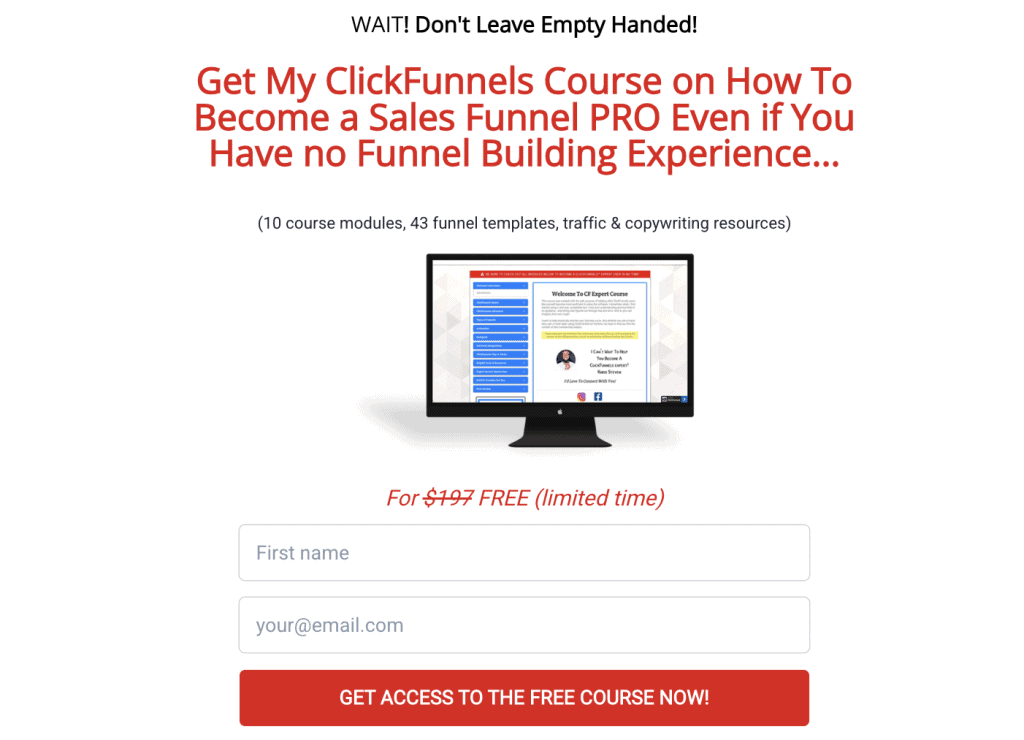
This lead magnet alone brought over 500 leads:

But here’s the wild part:
I made most of my $160K+ without a complicated “funnel.”
Just boring SEO that ranked, helped, and converted. Looking back now, I realize my follow-up sequence was even weak.
Tools I Used Throughout the Journey
- KeywordsEverywhere and AnswerThePublic for keyword ideas
- Manual Google Autocomplete (recursive method)
- Link Whisper for internal linking
- Kadence Blocks for layout + content blocks
- ConvertBox for exit-intent
- Google Sheets to manage keyword ideas, content gaps, and CTAs
Lessons, Mistakes & How It Shaped My SEO Philosophy
Looking back, promoting ClickFunnels taught me more about SEO than any course or mastermind ever could.
At the start, I did what most new affiliates do: I chased high-volume commercial keywords like “ClickFunnels pricing” and “ClickFunnels review,” thinking they’d bring in the big bucks.
They didn’t.
I quickly learned that SEO wasn’t just about traffic. It was about intent. I needed to understand what someone was searching for — and where they were in the buying journey.
Here’s what I got wrong early on:
- Chasing hyper-competitive keywords that I had no chance of ranking for
- Ignoring intent and creating content that didn’t match what the reader really wanted
- Overlooking content structure and how to guide the reader toward a clear next step
- Not using CTAs, summaries, or any real strategy to convert the traffic I was getting
But here’s what worked and shaped how I approach SEO to this day:
- Targeting underserved, high-intent topics like “ClickFunnels for real estate” and “[tool] vs ClickFunnels”
- Publishing alternatives-style posts that positioned ClickFunnels as the better option
- Using exit-intent popups to capture buyers during promo cycles
- Building repeatable templates for review, comparison, and niche-specific pages
- Internal linking that passed authority and guided the user toward conversion pages
These lessons became foundational.
They rewired how I thought about SEO… not as a traffic game, but as a system that combines ranking, trust, and conversion. It’s exactly what I now apply when working with SaaS brands, startups, and affiliate-driven businesses trying to scale with content.
How This Experience Powers My SEO Consulting Today
What started with a few blog posts about ClickFunnels became the foundation for everything I now do, teach, systemize, and deliver through my SEO consulting.
I’ve spent the last few years helping other SaaS and affiliate-focused brands do exactly what I did, but faster, smarter, and at scale.
Because here’s the thing:
Once you’ve ranked and converted in a category as competitive as ClickFunnels…
Once you’ve built hundreds of posts that brought in thousands of leads without ads…
You start to recognize patterns.
You know how SaaS SEO really works, from positioning and intent to traffic and conversion.
This isn’t theory to me.
I’ve had repeat success in other affiliate programs, product launches, alternative pages, and feature-focused SEO for high-ticket software.
I know:
- How to build a content engine that feeds off itself
- How to go from zero visibility to page one
- And how to turn informational content into pipeline, without bloated budgets or fake vanity metrics
Whether it’s a $47/mo tool or a $1,000+ annual SaaS product, the approach is the same:
- Research extensively on niche and sub-niche
- Gather your seed keywords
- Map the money keywords
- Create content clusters that convert
- Build internal structure that scales
- And measure content like a performance asset
That’s what I now bring to the table for my clients.
And it all started with this ClickFunnels run.
Want an SEO Strategy That Actually Drives Revenue?
If you’re a SaaS founder, startup team, or affiliate-driven brand and you’re tired of:
- Publishing content that doesn’t rank
- Ranking content that doesn’t convert
- Or chasing keywords with no real strategy…
Then maybe it’s time we talk.
This entire case study came from doing the exact work I now help clients implement — from full-site audits and strategy to content mapping, CRO, and long-term search visibility.
If you want someone who understands SaaS, SEO, and the bottom line — not just traffic for traffic’s sake — I’d love to hear about your project.
Or just shoot me a DM if you’ve got questions.